

 Marketplace
 login
login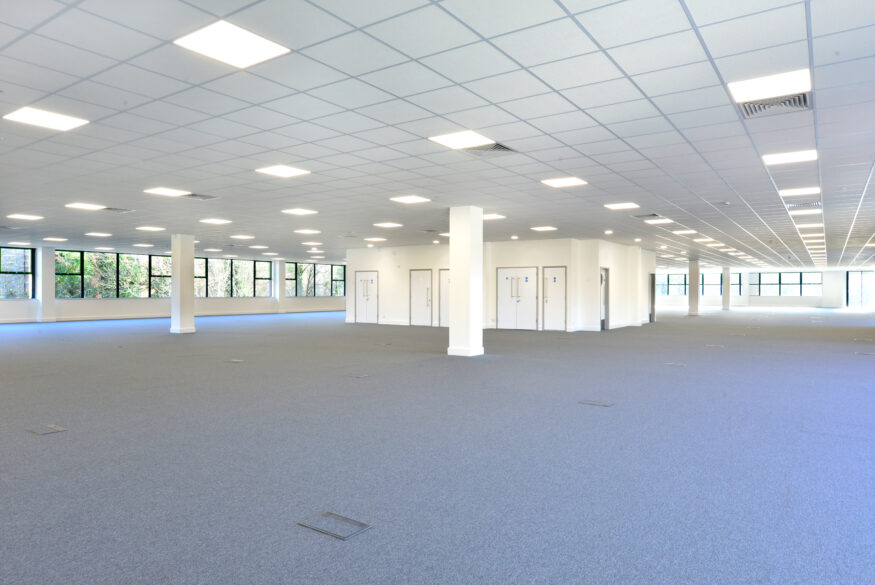
Managing Vacant Space Without Letting It Deteriorate


Vacancy is an inevitable part of the commercial real estate lifecycle. Leases expire, tenants relocate, renovations begin, and market conditions influence how quickly available space returns to service. While an occupied suite naturally commands more daily attention, an empty one should never fall off the property’s radar. In many respects, vacant space requires just as much oversight because problems can develop unnoticed for weeks or months. A small plumbing leak, a malfunctioning HVAC unit, or excess humidity can quietly damage finishes, shorten the life of building systems, and increase the cost of preparing the suite for its next occupant.
Successful property managers view vacancy as a period of asset preservation rather than inactivity. Every decision made while a suite sits empty affects how quickly it can be leased, how much it will cost to prepare for occupancy, and how prospective tenants perceive the property. Regular inspections, preventive maintenance, and thoughtful coordination between operations, engineering, and leasing teams protect the owner’s investment while ensuring the space remains an asset rather than becoming a liability.
Start Strong After Move-Out
The transition from occupied to vacant space creates an opportunity to establish a clear understanding of the suite’s condition before time and inactivity begin to take their toll. Once a tenant has completed its move-out obligations, property managers should conduct a thorough walkthrough with the engineering team to document the space and identify maintenance items that deserve immediate attention. Waiting several weeks before performing this assessment can make it difficult to determine whether a problem existed when the tenant left or developed afterward.
A comprehensive inspection extends well beyond cosmetic finishes. Ceilings should be checked for signs of previous water intrusion, flooring should be evaluated for damage beyond ordinary wear, and walls, windows, and doors should be inspected for issues that could affect future leasing efforts. Engineers should also verify that plumbing fixtures, electrical systems, lighting, thermostats, and HVAC equipment continue to operate properly. Even if a future tenant plans to renovate the space, understanding the condition of existing building systems helps ownership make informed decisions about repair priorities and capital planning.
Photographs and written documentation provide an important record during this stage. They establish a baseline condition, support insurance documentation if questions arise later, and simplify conversations with contractors when tenant improvements begin. Just as importantly, they allow property managers to track changes that occur while the suite remains vacant, making it easier to identify developing issues before they become costly repairs.
Protect the Building, Not Just the Space
An empty suite remains connected to the rest of the building. HVAC systems continue to circulate air, plumbing lines remain part of the building’s infrastructure, and changes in temperature or humidity can affect finishes throughout the space. Treating vacant suites as though they have been placed in storage often creates avoidable maintenance problems that become apparent only when the next tenant prepares to move in.
Environmental conditions deserve particular attention. Some owners attempt to reduce operating expenses by shutting down HVAC systems completely, but allowing temperatures and humidity levels to fluctuate dramatically often creates more expensive problems than the energy savings justify. High humidity encourages mold growth, damages drywall and ceiling materials, and can cause flooring adhesives or finishes to deteriorate. Excessively cold temperatures may create plumbing concerns during winter months, while prolonged heat can affect sealants, finishes, and certain building materials.
The U.S. Environmental Protection Agency identifies moisture control as one of the most effective ways to prevent mold growth in commercial buildings. Maintaining reasonable temperature and humidity levels, even in unoccupied suites, helps preserve indoor environmental quality while protecting the condition of the space. Many properties accomplish this by using setback temperatures rather than shutting systems down entirely, striking a balance between energy conservation and long-term asset protection.
Routine inspections complement those environmental controls. Property managers and engineers should establish a regular schedule for checking vacant suites, paying close attention to ceilings, plumbing fixtures, windows, mechanical equipment, and any signs of water intrusion or pest activity. These walkthroughs rarely require significant time, but they often uncover small problems before they escalate. Discovering a minor roof leak during a weekly inspection is far less disruptive than finding extensive water damage after a month of heavy rainfall.
Preventive maintenance should continue as well. Vacant suites may not generate service requests, but the equipment serving them continues to age. HVAC units still require filter changes, drain pans need inspection, condensate lines should remain clear, and life safety systems demand the same level of attention they receive in occupied areas. The U.S. Department of Energy’s Better Buildings Initiative notes that preventive maintenance improves equipment reliability, extends service life, and reduces unexpected failures. Continuing these maintenance activities during periods of vacancy protects the owner’s investment while minimizing the work required before the next tenant occupies the space.
Water damage deserves special attention because it often develops without obvious warning. A slow leak beneath a sink, condensation around mechanical equipment, or water entering through a roof penetration may continue for weeks before anyone notices. After significant weather events, engineering teams should include vacant suites in their inspection routes to verify that roof drains, windows, plumbing systems, and mechanical equipment remain in good condition. Identifying these issues early almost always costs less than repairing widespread water damage after the fact.
Keep Vacant Space Secure and Lease-Ready
Security and presentation influence how well a suite retains its value during the leasing process. Vacant spaces often receive less foot traffic than occupied areas, making them more susceptible to unauthorized access, theft, vandalism, or unnoticed maintenance issues. Even in buildings with strong security programs, property managers should include vacant suites in routine security rounds and verify that access control measures remain current.
As soon as a tenant vacates the space, collect keys, deactivate access credentials, and confirm that any alarm or access control systems continue to function properly. If contractors, brokers, or prospective tenants will be visiting the suite, establish clear procedures for granting temporary access and ensure someone remains responsible for securing the space afterward. These small administrative steps reduce unnecessary risk and help prevent situations that could delay leasing or create liability for the property owner.
Keeping a suite secure also means maintaining the appearance of an actively managed property. Burned-out lights, stained ceiling tiles, dusty windows, or overflowing storage areas send a message that the space has been neglected. Prospective tenants often begin forming opinions about a property before the leasing conversation even starts, and the condition of an available suite can shape those impressions as much as the building’s amenities or location.
Replacing damaged ceiling tiles, touching up paint, repairing door hardware, deep cleaning flooring, and confirming that lighting and HVAC systems operate properly can dramatically improve the appearance of a suite. These relatively modest improvements also shorten the time between lease execution and occupancy because the property team has already addressed routine maintenance items that might otherwise delay tenant improvements.
Vacant suites provide an opportunity to verify that building systems remain ready for the next occupant. Testing lighting controls, confirming electrical panels are properly labeled, exercising plumbing fixtures, and operating HVAC equipment periodically allows engineers to identify deficiencies while the space is still empty rather than after a new tenant has moved in. Addressing these issues during vacancy minimizes disruptions and creates a smoother transition once the suite returns to service.
Coordinate Across Departments
Managing vacant space is rarely the responsibility of one department alone. Property management, engineering, leasing, construction, and ownership all play a role in preserving the asset and preparing it for the next tenant. When these groups communicate regularly, they can make better decisions about maintenance priorities, capital improvements, and leasing timelines.
Regular communication with the leasing team helps ensure that available spaces remain ready for prospective tenants. Property managers should understand when tours are scheduled so they can verify that suites are clean, comfortable, and fully operational beforehand. Likewise, leasing professionals benefit from understanding the condition of the space and any planned maintenance work that could affect marketing efforts or tenant expectations.
Construction teams should also become part of the conversation as soon as tenant improvements appear likely. Reviewing the existing condition of the suite before work begins helps establish realistic project schedules and prevents unnecessary surprises once demolition or renovation starts. Photographs, maintenance records, and equipment documentation collected during the vacancy period often prove valuable during project planning, especially when contractors need to understand existing building systems.
Vacancy creates opportunities to complete repairs or improvements that would be difficult to perform in occupied spaces. Property managers who present thoughtful recommendations, supported by observations gathered during inspections and routine maintenance, help ownership make informed decisions about where to invest before the next lease begins. In many cases, completing a project during vacancy costs less and creates fewer disruptions than waiting until the space is occupied again.
Protecting Value Until the Next Tenant Arrives
Vacancy may interrupt rental income, but it should not interrupt property management. Every week that a suite sits empty presents an opportunity either to preserve the asset or allow its condition to decline. The difference often comes down to consistency. Routine inspections, preventive maintenance, and regular communication across the property team help ensure that small issues receive attention before they become expensive problems.
Managing vacant space also requires balancing today’s operating costs with tomorrow’s leasing opportunities. Reducing energy consumption, postponing maintenance, or delaying minor repairs may offer short-term savings, but those decisions can create larger expenses if they allow building systems or interior finishes to deteriorate. A suite that requires extensive repairs before it can be shown to prospective tenants often remains on the market longer, increasing both carrying costs and lost leasing opportunities.
Well-maintained vacant space also gives property managers greater flexibility when market conditions change. If a prospective tenant needs to move quickly, the property team can focus on lease negotiations and tenant improvements rather than scrambling to address months of deferred maintenance. Engineers can devote their attention to preparing the space for its new occupant instead of correcting problems that developed while it sat empty.
Perhaps most importantly, the condition of vacant space reflects the overall standard of care throughout the property. Prospective tenants rarely evaluate only the suite they intend to lease. They notice common areas, mechanical systems, loading docks, landscaping, parking facilities, and the overall appearance of the building. An available suite that feels clean, comfortable, and well maintained reinforces confidence that the property receives the same level of attention in every area.
Vacancy is an inevitable part of managing commercial real estate, but deterioration does not have to be. By treating vacant suites as active assets instead of inactive space, property managers can protect building systems, preserve interior finishes, reduce future repair costs, and position the property for a faster, smoother lease-up. The time invested in maintaining an empty suite today often pays dividends when the next tenant walks through the door, allowing the property to demonstrate not only its potential but also the quality of the management behind it.
To stay up to date on news and resources such as this and other topics of importance to the real estate industry, subscribe to the free CRE Insight Journal Newsletter using this link.


Comments are closed.
Newsletter