

 Marketplace
 login
login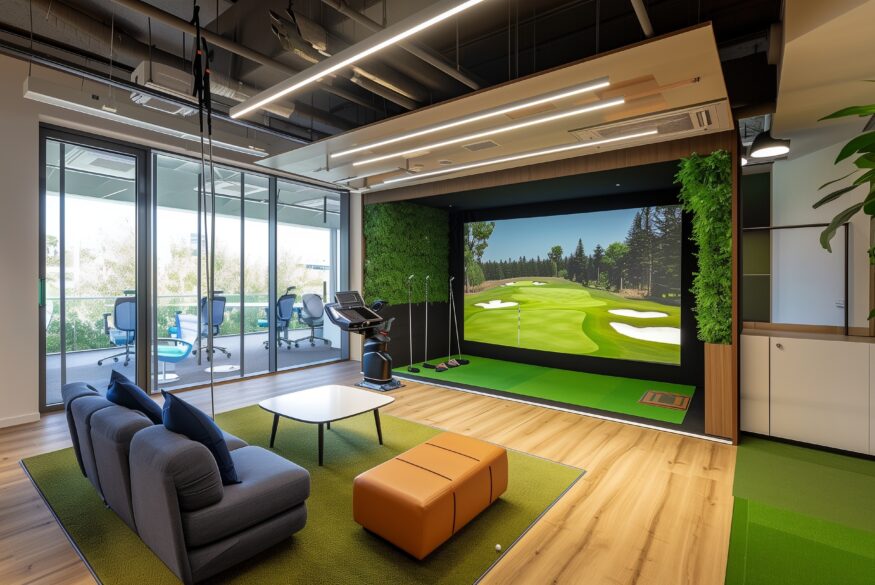
After the Ribbon Cutting: Managing a New Amenity During Its First Year


Adding a new amenity is an exciting milestone for any commercial property. Whether it’s a fitness center, conference facility, outdoor gathering space, tenant lounge, or golf simulator, these investments often become the centerpiece of marketing materials and leasing tours. They help properties stand out in a competitive market and demonstrate a commitment to creating an engaging workplace.
The excitement surrounding a new amenity, however, can sometimes overshadow what comes next. Opening day is only the beginning. Once tenants begin using the space, property teams gain a much clearer picture of how the amenity functions in daily operations. Patterns emerge, maintenance needs become more apparent, and tenant expectations evolve. A successful first year depends less on the grand opening and more on how well the property team adapts to those realities.
The most successful amenities are not simply well designed. They are well managed. By monitoring how spaces are used, maintaining open communication with tenants, and making thoughtful operational adjustments, property teams can ensure a new amenity continues to deliver value long after the ribbon cutting.
Expect the Unexpected
No matter how much planning goes into a project, tenants rarely use a new amenity exactly as anticipated.
A conference center designed for occasional meetings may quickly become a popular location for training sessions and networking events. A tenant lounge intended for casual breaks may evolve into an informal workspace throughout the day. Outdoor seating areas might remain empty during the hottest weeks of summer but become heavily used during the spring and fall. Even fitness centers often experience demand at different times than expected, with usage peaking before work, during lunch hours, or immediately after the workday ends.
Rather than viewing these differences as problems, property managers should see them as valuable information. The first several months provide an opportunity to understand how tenants interact with the space and identify adjustments that improve both operations and the user experience.
Regular observations can reveal patterns that occupancy data alone cannot. Are tenants moving furniture to accommodate larger groups? Are electrical outlets located where people actually work? Are reservation policies creating conflicts? Small operational changes often have a greater impact than expensive renovations.
Operations Shape the Tenant Experience
The appearance of an amenity may attract tenants, but day-to-day operations determine whether they continue using it.
Cleanliness is often one of the first factors occupants notice. Shared spaces naturally experience higher levels of wear than traditional office suites, particularly when food, beverages, or fitness equipment are involved. Establishing cleaning schedules that reflect actual usage, rather than anticipated usage, helps maintain a positive impression while reducing premature wear on furnishings and finishes.
Technology also deserves consistent attention. Conference rooms depend on reliable audiovisual equipment, strong wireless connectivity, and intuitive room controls. A beautifully designed meeting space quickly loses its appeal if users struggle to connect a laptop or troubleshoot presentation equipment. Property teams should routinely test technology and work closely with service providers to address recurring issues before tenants report them.
Furniture presents another opportunity for continuous improvement. Seating arrangements that appeared ideal during the design phase may prove less functional once people begin using the space. Rearranging tables, adding charging stations, or introducing additional seating can often improve usability without requiring significant investment.
Successful property managers understand that amenities are not static environments. They continue evolving as tenant needs change, and operational flexibility allows buildings to evolve with them.
Building Systems Must Keep Pace
A new amenity often changes how building systems operate. Spaces that accommodate larger groups or extended occupancy create different demands than traditional office environments, particularly when it comes to heating, cooling, ventilation, and lighting.
ASHRAE emphasizes that ventilation should reflect how spaces are actually occupied rather than how they were originally intended to be used. If conference rooms consistently host larger meetings than anticipated or fitness centers remain busy throughout the day, engineering teams may need to adjust ventilation schedules or equipment settings to maintain occupant comfort and indoor air quality.
Energy use also deserves ongoing evaluation. According to the U.S. Environmental Protection Agency’s ENERGY STAR program, understanding how spaces consume energy allows building operators to identify opportunities for improved efficiency without sacrificing occupant comfort. Tracking utility usage during the first year helps property teams determine whether operating schedules, lighting controls, or HVAC settings should be modified to better align with actual occupancy patterns.
Routine preventive maintenance becomes increasingly important as usage increases. Fitness equipment requires regular inspection, outdoor furniture benefits from seasonal maintenance, and conference technology should receive scheduled testing rather than relying solely on user feedback. The U.S. Department of Energy’s Better Buildings Initiative notes that preventive maintenance improves equipment reliability while reducing unexpected failures and extending asset life. Incorporating new amenities into existing maintenance programs from the outset helps avoid costly repairs later.
Listen Before Making Big Changes
Every new amenity generates feedback. Some tenants will request additional furniture, others may suggest expanded operating hours, and some will offer ideas the property team never considered. While feedback is valuable, reacting to every individual request rarely leads to the best outcome.
Instead, property managers should look for trends. If multiple tenants identify the same concern over several months, it likely represents an opportunity for improvement. If comments conflict, it may indicate that different user groups have different needs, requiring a balanced solution rather than a complete redesign.
Formal surveys provide one source of information, but informal conversations often reveal just as much. Engineers, security officers, maintenance staff, and property managers regularly interact with tenants and frequently hear comments that never appear on a survey. Encouraging staff to share those observations creates a more complete picture of how the amenity performs.
Clear communication also helps manage expectations. If operating hours change seasonally or reservations are required for conference facilities, explaining those policies early reduces confusion and frustration. Most tenants appreciate consistency, even when rules limit how a space can be used.
Plan Beyond the First Year
The first year should establish more than daily operating procedures. It should also provide the information needed to support future budgeting and long-term planning.
Usage patterns help determine when furniture may need replacement, how frequently finishes require maintenance, and whether additional technology investments are justified. Tracking these trends allows ownership to make informed decisions rather than reacting after equipment begins to fail or furnishings show significant wear.
Annual reviews also provide an opportunity to evaluate whether the amenity continues meeting its original goals. Has it increased tenant engagement? Does it support leasing efforts? Are operating costs aligned with expectations? Answering these questions helps property teams refine operations while identifying opportunities for future improvements.
Not every adjustment requires additional spending. In many cases, changing room layouts, modifying reservation procedures, updating signage, or adjusting maintenance schedules provides meaningful improvements with little additional cost.
Success Is Measured After Opening Day
The ribbon cutting may mark the completion of a project, but it does not mark the end of its management. The months that follow determine whether an amenity becomes a valued part of the property or simply another feature that gradually loses its appeal.
Properties that monitor performance, maintain building systems, gather meaningful feedback, and make thoughtful adjustments place themselves in the strongest position for long-term success. Over time, those efforts improve more than the amenity itself. They strengthen tenant satisfaction, support leasing efforts, and reinforce the property’s reputation for attentive management.
The most successful amenities are rarely those that open perfectly on day one. They are the ones that continue improving throughout their first year and beyond.
Sources
- ASHRAE. ASHRAE Standard 62.1: Ventilation for Acceptable Indoor Air Quality.
- U.S. Environmental Protection Agency. ENERGY STAR for Commercial Buildings.
- U.S. Department of Energy, Better Buildings Initiative. Operations & Maintenance Best Practices.
- Centers for Disease Control and Prevention. Cleaning and Maintaining Healthy Facilities.
To stay up to date on news and resources such as this and other topics of importance to the real estate industry, subscribe to the free CRE Insight Journal Newsletter using this link.


Comments are closed.
Newsletter