
 Marketplace
 login
login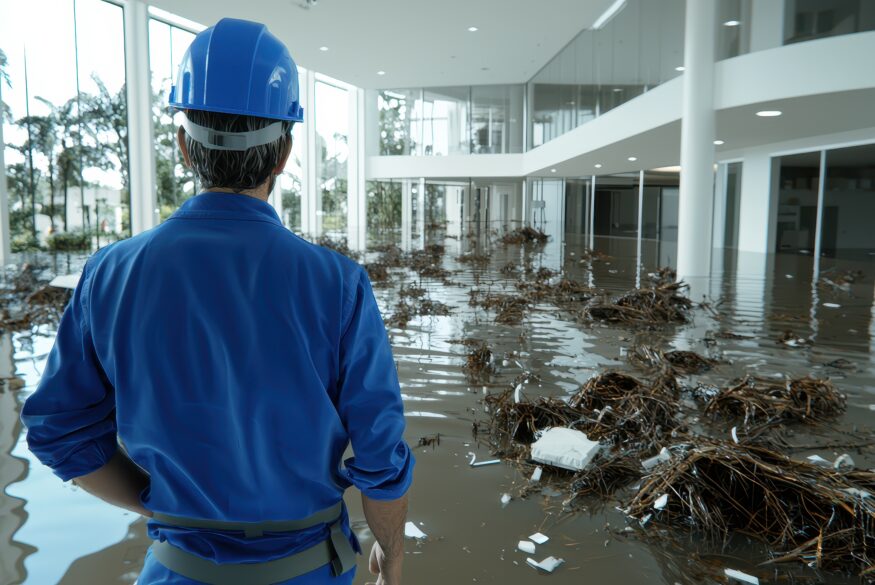
The Downstream Effects of Disaster Recovery


Looking Beyond the Immediate Emergency to Protect Commercial Real Estate
When disaster strikes a commercial property, the first priority is always life safety. Once occupants are safe, attention quickly shifts to stopping the source of damage—whether that’s shutting off a broken water line, stabilizing a storm-damaged roof, extinguishing a fire, or securing the property after severe weather.
But in my experience working with commercial properties, the greatest financial and operational impacts often don’t occur during the emergency itself. They unfold over the days, weeks and even years that follow.
Recovery isn’t simply about replacing damaged drywall or removing standing water. It’s about understanding how one event can affect an entire property ecosystem—from building systems and structural integrity to landscaping, wildlife, tenant operations and long-term asset value.
Preparedness isn’t measured by how quickly emergency crews arrive. It’s measured by how effectively a property recovers after the immediate crisis has passed.
Water Never Damages Just One Thing
Water is persistent. Whether caused by plumbing failures, roof leaks, storms or flooding, water rarely stays confined to the area where it first appears.
It travels behind walls, beneath flooring, through elevator shafts, into electrical rooms and around building foundations.
Visible water damage is only part of the story. Hidden moisture can compromise insulation, reduce energy efficiency, damage electrical equipment and create conditions favorable for mold growth within 24 to 48 hours.
One overlooked area can become a recurring maintenance issue that costs significantly more than addressing it correctly the first time
Fire Leaves Damage Long After the Flames Are Gone
Many people associate fire recovery with replacing burned materials. In reality, fire often creates hidden challenges throughout a building.
Smoke residue can infiltrate HVAC systems, electrical components, insulation and occupied spaces far from the point of origin.
Heat exposure may weaken structural steel, damage concrete and compromise roofing systems even when they appear visually intact.
Water used to extinguish the fire frequently creates an entirely separate restoration project.
Fire recovery often becomes both a structural assessment and a water mitigation project.
Understanding those overlapping impacts helps owners avoid expensive surprises months after reopening.
Storm Damage Extends Beyond the Roof
After severe weather, attention naturally focuses on missing roofing materials or broken windows. Yet, many downstream problems begin outside the building.
Heavy rainfall can wash away soil supporting sidewalks, retaining walls and building foundations.
Drainage systems overwhelmed by debris may redirect water toward entrances and mechanical rooms.
Erosion around foundations can create settlement issues that may not become apparent until months later.
Storms also weaken mature trees. Trees that remain standing after high winds may have hidden root damage or fractured limbs that create future hazards for buildings, vehicles and pedestrians.
Post-storm inspections should include qualified arborists when significant trees are located near occupied structures.
Removing a compromised tree before it fails is considerably less disruptive than responding after it falls.
The Impact on Natural Habitats Creates New Building Risks
Natural disasters also disrupt the environment surrounding commercial properties.
Flooding, hurricanes and severe storms often destroy or disturb the habitats of birds, rodents, reptiles and insects.
Displaced wildlife naturally seeks new shelter. Unfortunately, commercial buildings frequently provide ideal conditions. Animals may enter damaged roofs, crawl spaces, utility penetrations and mechanical areas.
These intrusions can damage insulation, electrical wiring and HVAC equipment while introducing health concerns for occupants.
Property recovery should include careful inspection of exterior openings, damaged soffits, roof penetrations and utility entrances before buildings are fully reoccupied.
Securing the building envelope protects both occupants and displaced wildlife by preventing unnecessary conflicts.
Foundations Deserve More Attention Than They Receive
Foundations are designed to perform under stable soil conditions. Disasters often change those conditions dramatically. Extended flooding saturates soils. Drought followed by heavy rain creates rapid expansion and contraction. Underground utility failures wash away supporting material. These changing conditions can contribute to settlement, cracking and uneven structural movement.
Although foundation problems rarely appear overnight, early warning signs—including new wall cracks, sticking doors, uneven floors or shifting sidewalks—should never be ignored following a significant weather event.
Early evaluation by qualified structural professionals can prevent minor concerns from becoming major capital projects.
Building Systems Continue Working—Until They Don’t
One of the most overlooked consequences of disaster recovery involves building systems that appear unaffected.
Electrical panels exposed to moisture may continue operating while corrosion develops internally. HVAC equipment contaminated by smoke or floodwater may function temporarily before premature failure occurs. Fire suppression systems require careful inspection following freezes, fires or mechanical damage. Elevators, access control systems, communication equipment and backup generators should all be evaluated before assuming normal operations have resumed. Delayed equipment failures often occur weeks after occupancy returns.
Preventive inspections reduce unexpected downtime and improve tenant confidence.
Recovery Requires Collaboration
No single contractor has every answer. Successful disaster recovery depends on collaboration among plumbers, restoration specialists, electricians, roofing contractors, HVAC professionals, structural engineers, arborists, environmental consultants and property management teams.
Each professional contributes a different perspective that helps identify downstream impacts before they become larger problems.
Looking Beyond Today’s Damage
The visible damage from a disaster is often the easiest part to repair. The hidden impacts are what determine whether a property truly recovers. Water affects more than finishes. Fire affects more than burned materials. Storms affect more than roofs.
They influence foundations, infrastructure, natural habitats, landscaping, trees, building systems and the people who depend on those properties every day.
Preparedness isn’t simply having an emergency response plan. It’s understanding what comes next and making informed decisions that protect both the immediate recovery and the long-term performance of the asset.
To stay up to date on news and resources such as this and other topics of importance to the real estate industry, subscribe to the free CRE Insight Journal Newsletter using this link.


Comments are closed.