

 Marketplace
 login
login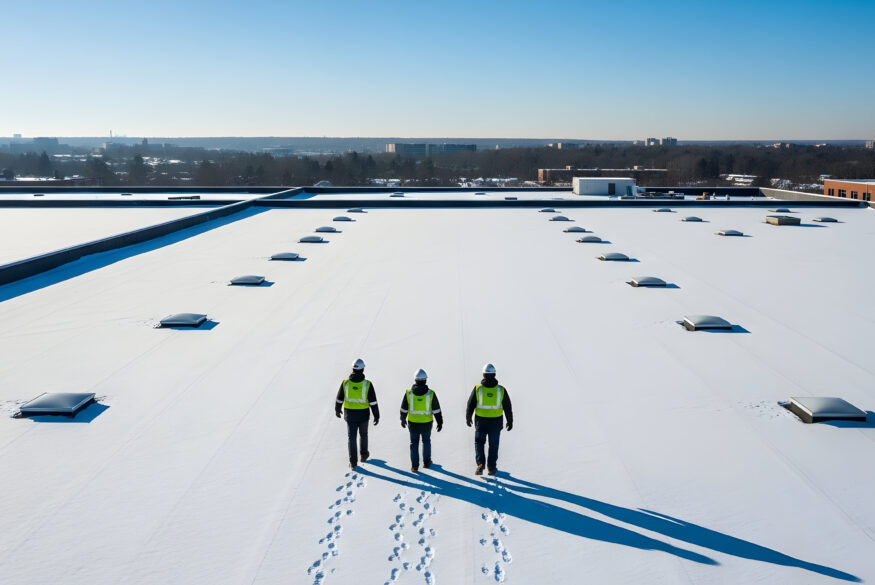
Winter Maintenance: Preventing Costly Cold-Weather Failures


Winter preparation for commercial properties represents one of the most critical responsibilities facing property managers, yet it remains among the most frequently neglected until problems emerge. The cost of reactive winter maintenance dramatically exceeds proactive preparation, with frozen pipe disasters alone causing tens of thousands of dollars in damage and business interruption. When temperatures drop and storms approach, properties without comprehensive winterization strategies face equipment failures, tenant complaints, liability exposure, and potential building damage that could have been prevented through systematic preparation. Understanding what needs attention and when to address it makes the difference between smooth winter operations and emergency crisis management.
HVAC Winterization
The HVAC system shoulders the heaviest burden during winter months, working continuously to maintain comfortable indoor temperatures against bitter cold. Nearly 30% of energy costs in commercial buildings come from heating, ventilation, and air conditioning systems, making winter HVAC efficiency both an operational necessity and a significant budget consideration. Failing to properly prepare heating systems before cold weather arrives invites midwinter breakdowns when replacement parts are scarce, technicians are overwhelmed with emergency calls, and tenants are left uncomfortable in frigid buildings.
Professional HVAC winterization should begin in early fall, well before the first hard freeze. Comprehensive inspection and service ensures all heating equipment including boilers, furnaces, and heat pumps operates at peak efficiency. Technicians inspect and clean all heating components, looking particularly for cracks in heat exchangers that can pose carbon monoxide risks. They replace air filters throughout the system, as dirty filters restrict airflow and force systems to work harder while wasting energy. Moving parts receive proper lubrication to prevent sudden failures during periods of heavy use. Thermostat testing and calibration guarantees accurate temperature control throughout the building, preventing hot and cold spots that generate tenant complaints.
Ductwork requires careful examination for leaks and gaps that allow heated air to escape before reaching intended spaces. Sealing ductwork prevents heat loss and improves overall system efficiency, directly reducing winter energy costs. Proper insulation around ducts in unheated areas like attics, crawl spaces, and mechanical rooms protects against heat loss while ensuring these spaces don’t create freeze risks for other building systems. Properties should verify that all vents remain clear of obstructions including furniture, storage items, or snow accumulation on exterior units.
Commercial boilers demand special attention before winter. Technicians flush boiler systems to remove sediment that reduces efficiency and causes premature wear. They inspect burner ports for blockages, test pilot lights or electronic igniters, confirm blower fans operate properly, and verify that safety controls function correctly. The pressure switch requires adjustment to ensure proper operation, and exhaust gases must ventilate correctly to prevent dangerous buildup within the building. Neglecting boiler maintenance doesn’t just risk cold buildings; it creates potential safety hazards that expose property owners to serious liability. For property managers working with building engineers on more detailed technical specifications for HVAC winterization, including Building Automation System sequencing, freeze stat testing, and glycol system maintenance, as referenced in last year’s “Winterization for Commercial Real Estate Properties: Essential Preparations for Building Operations” article, comprehensive guidance covering the engineering perspective of these critical systems provides additional depth for technical teams.
Building automation systems that control HVAC operations should be programmed for seasonal temperatures, ensuring setback temperatures during unoccupied hours remain high enough to prevent freeze damage while reducing unnecessary energy consumption. Programmable thermostats offer significant energy savings when properly configured, allowing systems to reduce heating during nights and weekends without compromising daytime comfort. However, setting temperatures too low creates risks for pipes and sprinkler systems in areas where HVAC coverage varies. Maintaining minimum temperatures of 55 degrees Fahrenheit throughout the building protects vulnerable systems while controlling costs.
Pipe Freeze Prevention
Frozen pipes represent perhaps the single greatest winter threat to commercial properties. When pipes experience more than six hours of below-freezing temperatures, their likelihood of failure increases considerably. The physics of pipe freezing creates perfect conditions for disaster. As water freezes, it expands, generating enormous pressure inside pipes. This pressure can rupture even strong metal pipes, and once a pipe bursts, hundreds of gallons of water can flood the building in minutes. In buildings that remain unoccupied for extended periods during extreme weather, such as schools, churches, or commercial offices closed for holidays, burst pipes might not be detected for days. By the time discovery occurs, water damage reaches catastrophic levels affecting walls, ceilings, floors, electrical systems, and everything in its path.
Comprehensive pipe protection begins with identifying vulnerable locations. Pipes in unheated spaces including basements, attics, crawl spaces, and utility rooms face the highest risk. Pipes running along exterior walls or in areas subject to cold air infiltration require special attention. Proper insulation represents the first line of defense against freezing. Pipe sleeves, wrapping, or foam insulation protect exposed pipes from temperature extremes. For especially vulnerable sections, heat tape provides additional protection by maintaining safe temperatures even during prolonged cold snaps. Heat tape installation requires careful attention to manufacturer instructions and periodic inspection to ensure proper operation.
Buildings with areas that go unused during winter months benefit from complete pipe drainage in those sections when practical. Shutting off water supply to unoccupied areas and draining remaining water from pipes eliminates freezing risk entirely. However, fire protection sprinkler systems cannot be drained without creating serious safety concerns and potential regulatory violations. These critical systems require alternate protection strategies including ensuring enclosures maintain minimum temperatures, using heat tape where appropriate, and installing antifreeze systems in especially vulnerable areas. Dry pipe sprinkler systems, which hold pressurized air rather than water until activation occurs, offer another solution for areas where wet systems face unacceptable freeze risk.
Even facilities maintaining normal operations must address vulnerable plumbing. Sealing gaps and openings in the building envelope prevents cold air from reaching pipes. Windows, doors, and areas where utilities penetrate exterior walls all present opportunities for drafts that can affect pipe temperatures. Caulking and weatherstripping close these paths while improving overall building energy efficiency. Maintaining steady temperature control across all building areas protects pipes in spaces that receive less attention. Setting thermostats too low in unused rooms or allowing heating systems to cycle off during extended closures creates freeze conditions.
Property managers must ensure that all staff and key tenants know the location of main water shut-off valves and understand how to operate them. In burst pipe emergencies, every second counts. The faster water flow can be stopped, the less damage occurs. Creating clearly marked shut-off locations with instructions posted nearby enables quick response even when facilities staff aren’t immediately available. Modern technology offers additional protection through automated temperature monitoring systems that alert property managers when temperatures drop to dangerous levels in vulnerable areas. Smart leak detection devices can identify burst pipes quickly and trigger automatic shut-offs before catastrophic flooding occurs.
Roof Inspection Protocols
Commercial roofs endure tremendous stress during winter months from snow loads, ice formation, freeze-thaw cycles, and harsh weather conditions. Roof failures during winter cause not just immediate water damage but also create conditions for mold growth, structural deterioration, and long-term building problems. Professional roof inspection and preparation before winter represents insurance against costly mid-season emergencies.
Fall roof inspections should examine the entire roofing surface for damage including cracked, curled, or missing shingles on sloped roofs, or cracks, tears, and worn areas on flat and low-slope membranes. Flashing around chimneys, vents, skylights, and roof penetrations requires special attention as these transition points are common failure locations. Inspectors verify that all flashing remains secure and sealed against water infiltration. Roof drains and scuppers must be clear of debris to prevent standing water that can freeze, expand, and damage roofing materials. Even minor blockages can create ice dams or pooling that accelerates roof deterioration.
The gutters and downspouts that channel water away from buildings need thorough cleaning before winter. Accumulated leaves, debris, and dirt create blockages that prevent proper drainage. When water cannot flow freely through gutters, it backs up and can seep under roofing materials or freeze, creating ice dams. Ice dams form when heat escaping through the roof melts snow, which then refreezes at colder roof edges, creating thick ice buildups that damage shingles and gutters while preventing proper drainage. Ensuring proper attic insulation and ventilation addresses the root cause of ice dams by maintaining consistent roof temperatures.
Snow load capacity varies by roof design, but all commercial roofs have limits. Property managers in areas with heavy snowfall should understand their roof’s load capacity and monitor accumulation throughout winter. Excessive snow buildup requires professional removal before weight threatens structural integrity. Flat roofs face particular challenges with snow accumulation as gravity doesn’t assist in snow clearance the way pitched roofs naturally shed their load.
Parking Lot Preparation
Parking lots and driveways serve as the first impression visitors receive of any commercial property. When these areas become hazardous due to snow and ice, they don’t just create inconvenience; they generate serious liability exposure through slip-and-fall incidents and vehicle accidents. Comprehensive parking lot preparation and clear snow removal protocols maintain accessibility and protect against legal claims.
Pre-winter parking lot assessment identifies problems that winter weather will exacerbate. Walking every parking area reveals potholes, cracked pavement, uneven concrete, and drainage issues that require repair before cold weather arrives. Potholes filled with water become treacherous ice patches, and uneven surfaces hidden under snow become tripping hazards. Fall represents the ideal time for pavement repairs while temperatures remain suitable for proper curing. Fresh pavement marking including fire lanes, accessible parking spaces, curb lines, and loading zones provides clear guidance to snow removal crews and helps prevent damage to landscaping and infrastructure during plowing operations.
Installing durable, weather-resistant markers before ground freezes enables accurate snow removal. Fiberglass snow stakes positioned at curbs, islands, drainage grates, fire hydrants, and low walls remain visible above snow lines while resisting breakage when accidentally struck by plows. These markers, typically 26 to 36 inches tall with reflective tape, guide snow removal equipment and prevent costly concrete damage. Marking systems should include all hardscape edges that require protection from plow damage.
Developing comprehensive snow removal plans before winter establishes clear protocols for when removal begins, where snow gets stacked, which areas receive priority attention, and how accessible parking and walkways remain clear. Trigger amounts define the snow depth that prompts action. Properties might establish different triggers for various actions, such as pre-treating surfaces when snow is forecast, beginning to plow at two inches of accumulation, and calling in additional equipment at six inches. The faster response occurs after snowfall begins, the easier and safer management becomes. Continuous weather monitoring helps crews stay ahead of developing conditions.
Accessible parking spaces, curb ramps, and handicap access areas must remain clear of snow and ice to comply with accessibility laws. Snow cannot be piled where it blocks accessible paths or creates hazards for individuals with mobility challenges. Emergency access lanes, fire hydrant locations, and building entrances require priority clearing to maintain safety and regulatory compliance. These critical areas should be clearly marked on snow removal plans and communicated to all personnel involved in winter maintenance.
Contracting with professional snow removal services before winter provides security that experienced crews with appropriate equipment will respond when needed. Early contracts ensure availability during peak demand periods when snow removal companies operate at capacity. Service agreements should specify trigger amounts, response times, areas to be cleared, de-icing protocols, and documentation requirements. Many properties benefit from seasonal contracts that provide predictable costs and priority service regardless of snowfall amounts, compared to per-push contracts that create budget uncertainty during heavy snow years.
De-icing and anti-icing treatments form essential components of winter parking lot maintenance. Pre-treating surfaces before precipitation arrives prevents ice from bonding to pavement, making subsequent removal easier and more effective. Salt, sand, or specialized de-icing products applied after snow removal melt remaining ice and provide traction. However, these materials can damage landscaping, corrode vehicles, and harm the environment, prompting increasing interest in alternative de-icing solutions including liquid brine treatments and eco-friendly products. Whatever products are used, consistent application following removal operations maintains safe conditions between storms.
Creating an Emergency Response Plans
The most comprehensive winter preparation cannot prevent every potential emergency. Sudden equipment failures, unexpected weather events, and unpredictable situations require property managers to have clear emergency response protocols that enable quick, effective action when problems occur.
Comprehensive emergency plans begin with current contact information for all critical service providers including HVAC contractors, plumbers, electricians, snow removal companies, and restoration specialists who respond to water damage. These contacts should be readily available to building staff, security personnel, and answering services that handle after-hours calls. Many property managers maintain relationships with 24/7 emergency service providers who guarantee rapid response regardless of when problems develop. Having these relationships established before emergencies occur proves far superior to searching for help during crisis situations.
Clear communication protocols ensure that property managers receive prompt notification when problems emerge. Building automation systems can send automatic alerts when temperatures drop to dangerous levels, HVAC equipment fails, or other monitored conditions reach critical thresholds. Security personnel and janitorial staff should understand what constitutes an emergency requiring immediate notification versus routine maintenance needs. Establishing clear thresholds and providing simple reporting procedures empowers building occupants to become early detection systems for developing problems.
Weather monitoring and storm preparation protocols enable proactive response before conditions deteriorate. Five days before predicted severe weather, property managers should alert tenants and verify that emergency supplies are stocked including flashlights, batteries, emergency lighting, and first aid kits. Forty-eight hours before storms, final preparations occur including securing outdoor furniture, equipment, and materials that strong winds might damage or scatter. Twenty-four hours before severe weather, final communications go out confirming building status, access plans, and emergency contacts.
Emergency response plans must address common winter scenarios including power outages that disable heating systems, frozen or burst pipes flooding building areas, roof collapses from excessive snow load, dangerous ice conditions making access impossible, and extended building closures during severe weather.
Documentation plays crucial roles in both response and recovery. Maintaining detailed logs of maintenance activities, inspections performed, and problems addressed creates valuable records proving diligent property management. These records become particularly important if liability claims arise from winter incidents. Photographs and videos documenting conditions before, during, and after problems provide evidence for insurance claims and demonstrate response efforts. Emergency response logs tracking when problems were discovered, what actions occurred, and how situations were resolved build institutional knowledge that improves future responses.
Budget planning for winter maintenance balances predictable expenses like routine HVAC service and snow removal contracts against reserves for emergency repairs and unexpected problems. Properties in cold climates should maintain contingency funds specifically for winter emergencies, recognizing that multiple severe storms or major equipment failures can quickly exceed normal maintenance budgets. Insurance coverage should be reviewed to verify adequate protection against winter-related losses and understand what documentation insurers require for claims.
The Investment in Prevention
Comprehensive winter maintenance preparation requires time, planning, and financial investment before cold weather arrives. However, this proactive approach consistently proves more cost-effective than reactive emergency response. Property managers who implement systematic winterization protocols experience fewer equipment failures, lower utility costs through improved efficiency, reduced liability exposure from safer conditions, higher tenant satisfaction through consistent comfort and access, and greater peace of mind knowing their properties can handle winter’s challenges.
The question facing commercial property managers isn’t whether winter preparation matters, but whether they’ll commit to the systematic approach necessary to protect their assets, serve their tenants, and navigate winter successfully. The checklist presented here provides a framework, but each property’s specific needs vary based on climate, building age and condition, tenant requirements, and operational priorities.
The essential principle remains constant: preventing problems costs less than solving them, and winter preparation represents one of the highest return investments property managers can make.
To stay up to date on news and resources such as this and other topics of importance to the real estate industry, subscribe to the free CRE Insight Journal Newsletter using this link.


Comments are closed.
Newsletter