

 Marketplace
 login
login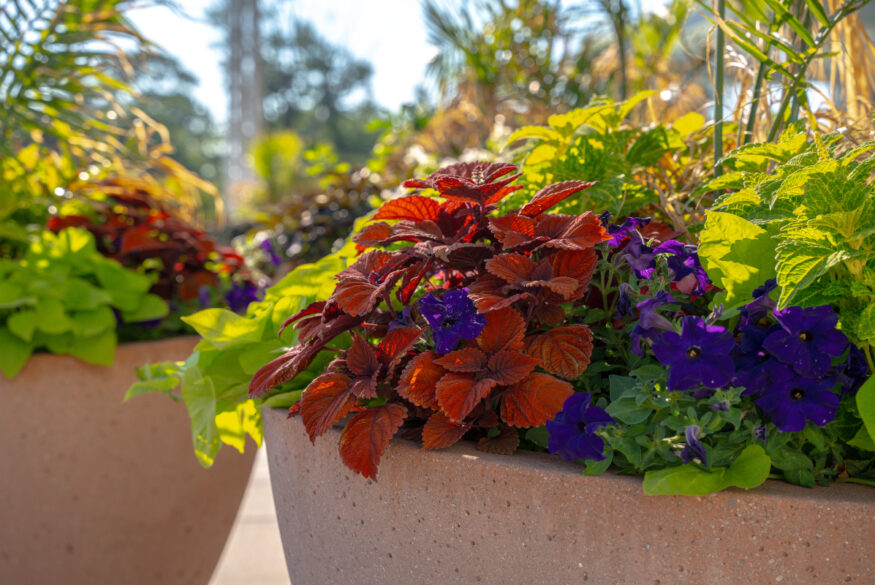
The Hidden Value of Off-Season Landscape Management


Some people might think that once winter hits, landscaping companies can just shut down and wait for spring. But this couldn’t be further from the truth.
Protecting a commercial property’s landscape during the winter is a big responsibility for a landscape contractor. While tasks like mowing and edging may no longer be needed each week, there’s still plenty to do.
It’s important to have a landscape provider that helps protect your landscape over the winter. Failing to properly care for the landscape through the winter will dramatically reduce the appearance and value of the property’s landscape by the time spring rolls back around.
Here are a few tasks that our Yellowstone Landscape customers have found valuable when it comes to winter landscape maintenance.
Regularly Inspect the Property’s Landscape
Even when it’s cold outside and winter has set in, a responsible landscape service provider won’t stop performing regular property inspections. It’s the job of a Landscape Professional to make sure that the property manager knows what is being looked at during these regularly scheduled inspections. From horticultural reviews to overall property safety checks, someone should be looking over your entire property at least once a month. This may include inspection of sidewalks, boundary walls, driveways, parking lots, the drainage system, and any other essentials details.
Why Should I Consider Shutting Down the Irrigation System for Winter?
The main reason why winterizing irrigation systems is important is that it prevents damage. Freezing temperatures can wreak serious havoc on an irrigation system. That’s because when the water freezes, it expands, and this expansion can cause fittings, backflows, valves, pumps, pipes, and sprinklers to break.
It can be a big deal when any part of your irrigation system breaks, particularly when it’s an expensive part to replace. Costs vary based on the type of system, so no commercial property should take the risk of not properly shutting down their irrigation for the winter.
Draining the system of all of the water and in some markets, blowing out the lines is the only way to ensure that damage from freezing temperatures is avoided.
Leaf & Debris Management
Leaf removal doesn’t stop for all properties in the winter. While fallen leaves and other plant debris cause many problems, there are three major concerns.
- Slip-and-fall risks
- Turf smothering
- Plant diseases
Wet leaves are very slippery for pedestrians on your property. They’re so slippery they can even cause hazards for drivers if they pile up. Both of these issues can lead to legal problems for property owners.
Turf smothering and plant disease are caused by unattended leaves, and these issues diminish curb appeal and hurt the entire landscape’s health.
Be sure your contractor is also removing pinecones, twigs, and other storm-blown debris from the service area. And ask how they handle fall debris and if they using sustainable practices that reduce landfill waste.
Pruning and Selective Plant Adjustments
Part of the winter services in preparation for spring involve pruning and selective plant adjustments. In addition to keeping your shrubs and trees looking well-kept, the structural and safety benefits shouldn’t be overlooked. Pruning helps prevent injuries and property damage that can be caused by unhealthy trees or limbs snapped by winter winds, snow, or ice.
It’s not only the weaker wood that needs to be removed. Experienced Arborists and Landscape Professionals understand the value of proper pruning. By trimming tree limbs and large shrubs strategically, air flow is improved, reducing the “sail effect” during storms. This also reduces storm damage potential.
Here are three common practices for fall pruning and plant adjustments:
- Disease and Hazard Pruning: Proper guidelines should always be followed. Careful pruning is designed to avoid plant wounds, as the focus is on removing diseased, insect-infested, or hazardous branches. The result is healthier plants and trees, less vulnerable to pests and diseases.
- Sightline Safety: Clearing branches from lighting, security cameras, and parking lot sightlines is essential. Proper pruning gives yours guests and tenants safe driving lanes and secure walking pathways.
- Selective Trimming: Aggressive pruning isn’t necessary as a part of most fall or winter clean-ups. Plants, shrubs, and trees should be trimmed to fit their natural shape. Over-pruning can leave plants more vulnerable to freeze damage as winter approaches.
Crape Myrtle Pruning: Stop the “Crape Murder”
So-called “crape murder” refers to the harmful pruning of our beautiful crape myrtle trees. Unfortunately, this practice is still all too common. Millions of attractive trees have their visual appeal wrecked each year when their tops are chopped off, leaving unsightly (and unhealthy) stubs.
Here’s why this type of crape myrtle pruning is harmful:
- Bloom quality drops
- Shortens trees’ lifespan
- Limb breakage increases
- Ruins trees’ natural shape
- Disease caused by weakened shoots
There are proper pruning techniques for crape myrtles. First, timing matters, and late winter is the best time to trim these trees. Branches that cross or grow inward should be trimmed. Suckers that sprout at the tree base should be cut. The crape myrtle’s natural shape should guide the professional doing the trimming. Light trimming with sharp cutting tools is a must.
The main way to stop rampant crape murder is to not allow the topping of a crape myrtle.
With correct pruning, property owners get vibrant, nicely shaped trees. Other upsides include bloom colors becoming brighter, reduced disease and pest risk, larger and more abundant flowers, and stronger limbs that resist wind damage better.
Effective Mulching Strategy
Mulched beds should look fresh and weed-free year-round. It’s an easy win with curb appeal and any time before spring is a great time for landscape providers to ensure your mulch is doing its job by insulating roots, regulating soil moisture, and smothering weeds.
Mulch levels are ideal at two to three inches thick. However, there’s risk of tree disease and pests if mulch is piled high against tree trunks (sometimes called mulch volcanoes).
Mulch Volcanoes are an unfortunate but common practice that involves piling up mulch at the tree’s base, trapping in excess moisture. The results include suffocating roots, bark rot, and other diseases.
Mindful mulching is as crucial for quality soil as aeration and soil amendments.
Post-Season Performance & Review
Taking a moment and reflecting on the past growing season is a simple thing. But it’s a busy world, so it’s important not to let the opportunity slip by.
And that’s why your commercial landscape provider should take this step for you. After all, it’s their job to monitor wins and losses on various aspects of the green spaces they maintain.
Here are some examples of items to review:
- Review the approved budget and plan for any capital expensed projects.
- Review the prior seasons successes and next seasons’ focus.
- Discuss and plan for any irrigation improvements or repairs needed.
- Discuss any safety concerns or areas that need enhancement.
Assessing Hardscape Maintenance and Repair Needs
Not even your property’s hardscape elements are immune to seasonal wear and tear. Walkways, patios, and landscape structures should be checked for any damage during late winter, before spring. And even retaining walls need inspecting for similar issues.
Some problems are easy to spot. Others need more consideration like:
- Does the outdoor furniture have loose screws, cracks, or rust?
- Are there drainage problems that could damage plants or cause falls?
- Any curb damage from snow removal equipment?
- Are all access points within ADA compliance?
- Is the exterior signage stable and easy to see?
When Planning for Upcoming Projects Make Sure Your Plant Choices are Not ALL Deciduous
One thought that should be given when planning your landscape is to avoid incorporating only deciduous trees and shrubs. These are the trees and shrubs that are going to lose their leaves in the winter and look bare.
So often, when people think about landscape planning, they really don’t give winter much thought. In colder markets, it might not be a season where people are spending as much time outside, but they are still looking at the landscape from their cars and windows.
Including some evergreen choices can bring reliable color even during the otherwise bare winter months and in some areas of the country, there are winter flowering plant and shrub choices that can provide some extra wintertime appeal.
Choose Alternatives to Plant Material
When people think about landscaping, they naturally think about green, living plants. But there are other choices that can have a similar impact on the overall aesthetics of the property. Decomposed granite and rock add decorative interest to a landscape, while not being impacted by the climate.
Boulders can help to fill up a space in a landscape and make it look fuller, even during a time when nothing is in bloom. And they won’t require the care your plants would. It’s also an added benefit that rock is never going to go out of style.
Along with rock, you might also think about other ways to break up a barren winter landscape. Another way to do this can be with benches or other seating areas. The idea is to think about what will keep a landscape from looking completely barren and boring when nothing is growing. Furniture and pergolas can also break up a barren landscape.
Container gardens are another wonderful option to brighten up a landscape, and you can create pots that have winter interest, even if some plants are not in bloom. Bright and cheerful containers can stand out as a burst of color and visually break up the landscape.
Add Colorful Lighting to Your Commercial Landscape
The holidays are not the only time of year when colorful lighting can show off your property’s features. Lighting up water features or lighting up signage with bright and beautiful colors is another way to add color to your property in any season.
Lighting can be an inexpensive and easy way to add a burst of color to your landscape. With light bulb colors like purple, blue, or red, suddenly your property is a lot more cheerful, even during the cold winter months. It’s a simple way to make a big statement.
The Big Picture
No matter where you are across the country, it’s important that you are working with a landscape provider who has a big picture perspective for your property.
The truth is, having a well-maintained property is just as important during the winter as it is during growing seasons. Proper maintenance during the winter sets a property up for success for the rest of the year.
To stay up to date on news and resources such as this and other topics of importance to the real estate industry, subscribe to the free CRE Insight Journal Newsletter using this link.


Comments are closed.